
Unfiltered &Tender
My Latest Posts
• • •
- Forgotten Hero of Indian Cricket
Eden’s Ecstasy and Johannesburg’s Agony
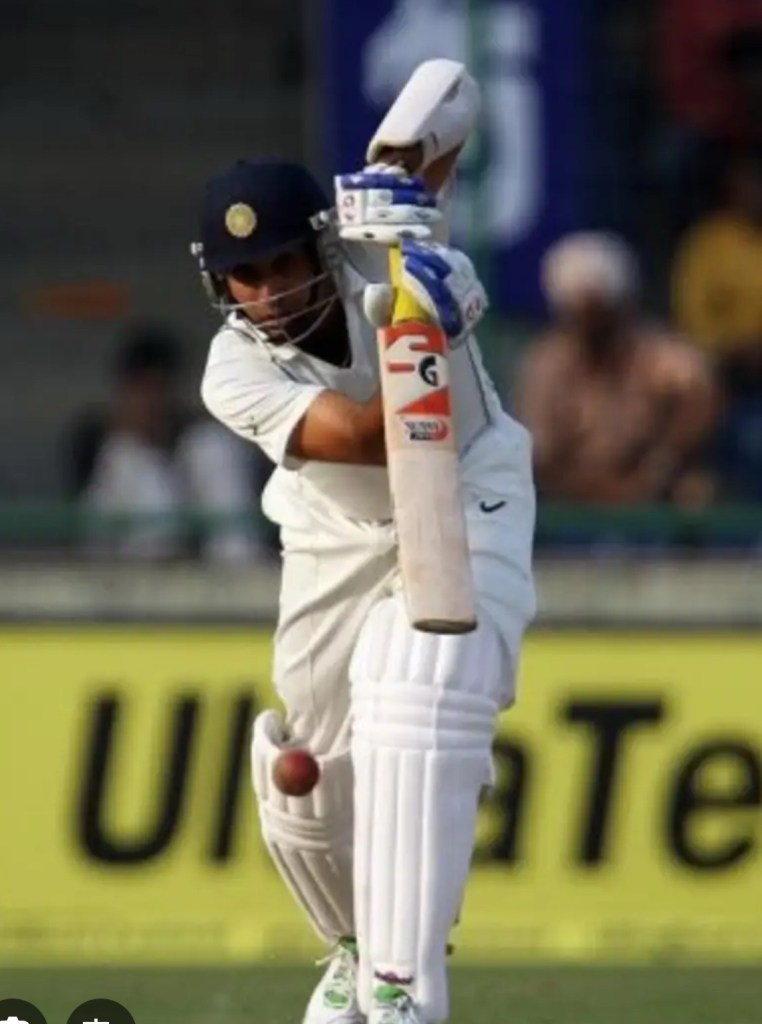
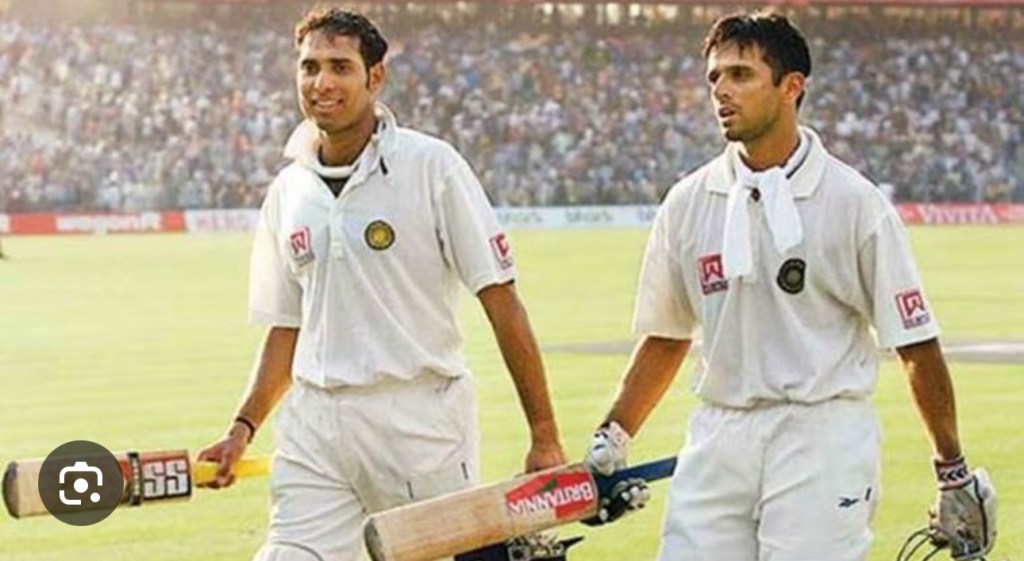
The air at Eden Gardens hung thick with despair that March week in 2001. Australia, that relentless cricketing juggernaut riding a record 15-Test winning streak, had already crushed India in Mumbai and now stood poised to deliver the final blow in Kolkata. Steve Waugh’s declaration at 445 felt like a tombstone, and India’s meek reply of 171 all out seemed to confirm the inevitable. When Waugh enforced the follow-on, history itself pressed down upon us – only twice before had any team won from such depths. What followed wasn’t just a cricket match; it was alchemy. Promoted to No. 3 despite a sciatic nerve injury so severe he needed overnight physio, VVS Laxman began weaving magic on Day 3. By stumps, his defiant 109* offered only a flicker of hope against the Australian tide. Then came Day 4 – an immortal passage where time seemed suspended. Laxman, wrists carving boundaries through gaps only he could see, and Rahul Dravid, the immovable monk, batted for over 100 overs without parting. Their 376-run stand wasn’t mere runs; it was psychological warfare waged with willow. Laxman’s monumental 281 and Dravid’s stoic 180 left them on saline drips but transcendent. Setting Australia 384, Harbhajan Singh and Sachin Tendulkar then tore through the shell-shocked visitors on Day 5, triggering a collapse from 166/3 to 212 all out. That 171-run victory, ending Australia’s streak, was more than a win; it was the defiant roar of a sleeping giant awakening, a miracle forged by Laxman’s artistry and sheer will against inevitability. My heart still races recalling the delirium.
Two years later, that elation curdled into profound sorrow in Johannesburg. As Sachin Tendulkar slashed Glenn McGrath to point early in the World Cup final chase of 359, a cold dread settled over me. The subsequent collapse to 147/5 felt tragically inevitable, not just because of Ricky Ponting’s brutal assault, but because of a gaping, self-inflicted wound in the Indian lineup. VVS Laxman, the very architect of Eden Gardens, the man whose wrists had danced India to its greatest Test triumph, sat watching from Hyderabad. The selection catastrophe still stings. Laxman had been India’s highest run-scorer in the ODI series against New Zealand just before the World Cup. Yet, the team management, led by Sourav Ganguly and coach John Wright, chose the bits-and-pieces all-rounder Dinesh Mongia over him. Shockingly, all five selectors had backed Laxman. Ganguly overruled them, citing the need for an “all-rounder.” Mongia managed a paltry 12 runs in the entire tournament. Laxman was shattered. He fled to the US, avoiding cricket for months, confessing he almost gave up the game. He wouldn’t speak to Ganguly for three months – a silence echoing the betrayal felt by millions. Watching Virender Sehwag blaze a defiant 82, I ached for what could have been. Imagine Laxman’s sublime grace partnering Sehwag’s fury: the perfect blend of elegant anchoring and boundary-blasting disruption against McGrath and Gillespie. Instead, Mongia scratched out 12, and India folded for 234, losing by a soul-crushing 125 runs. The tragedy wasn’t just losing the final; it was the avoidable exile of our most luminous big-match talent. Eden taught us miracles happen when belief meets genius. Johannesburg taught us that ignoring that genius invites a sorrow that lingers, a haunting symphony of what-ifs forever played on the heartstrings of memory.
- Cricket’s Unbroken Chain of Fire
From Foursome Fearsome to Bumarah
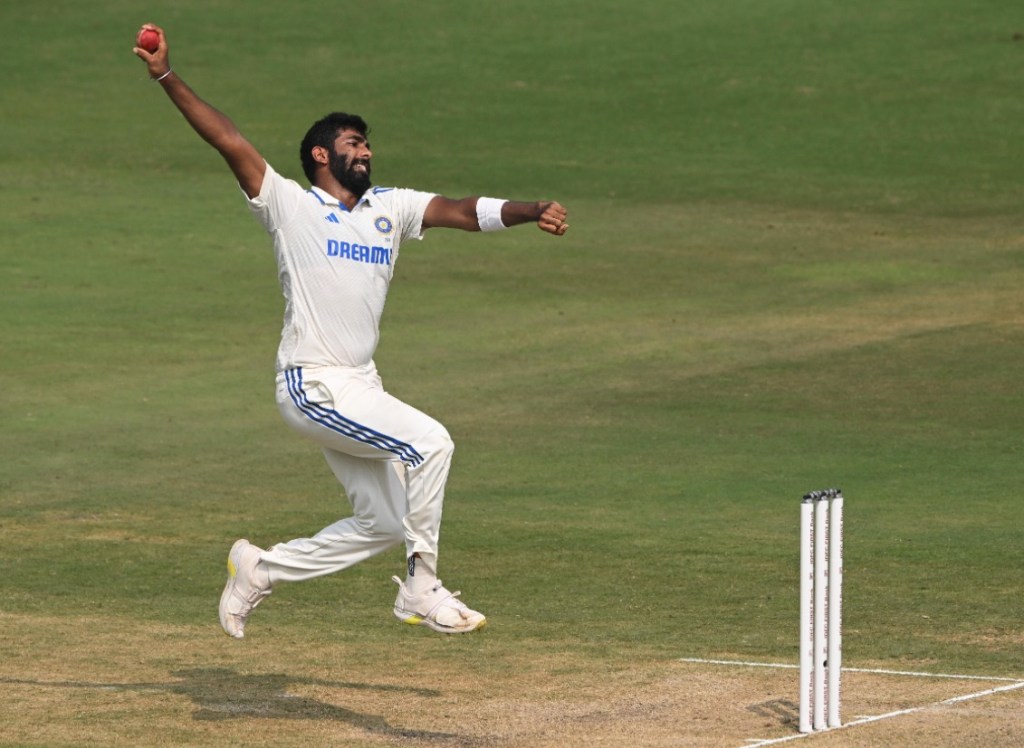
Watching Jasprit Bumrah charge in today feels like witnessing lightning strike twice. That unorthodox run-up, the whiplash release, those toe-crushing yorkers at 95mph ,he’s cricket’s modern tempest. His 2024 Border-Gavaskar heroics (32 wickets at 13.06) left batters psychologically shattered. Adam Gilchrist, who faced legends, claims Bumrah “operates on a different planet” with a Test average (19.52) lower than Marshall, Ambrose, or Garner. Yet every time I see him dismantle a batting order, my mind drifts to an era when entire teams faced this fury daily ,when the West Indies didn’t have a Bumrah, they had an army of them.
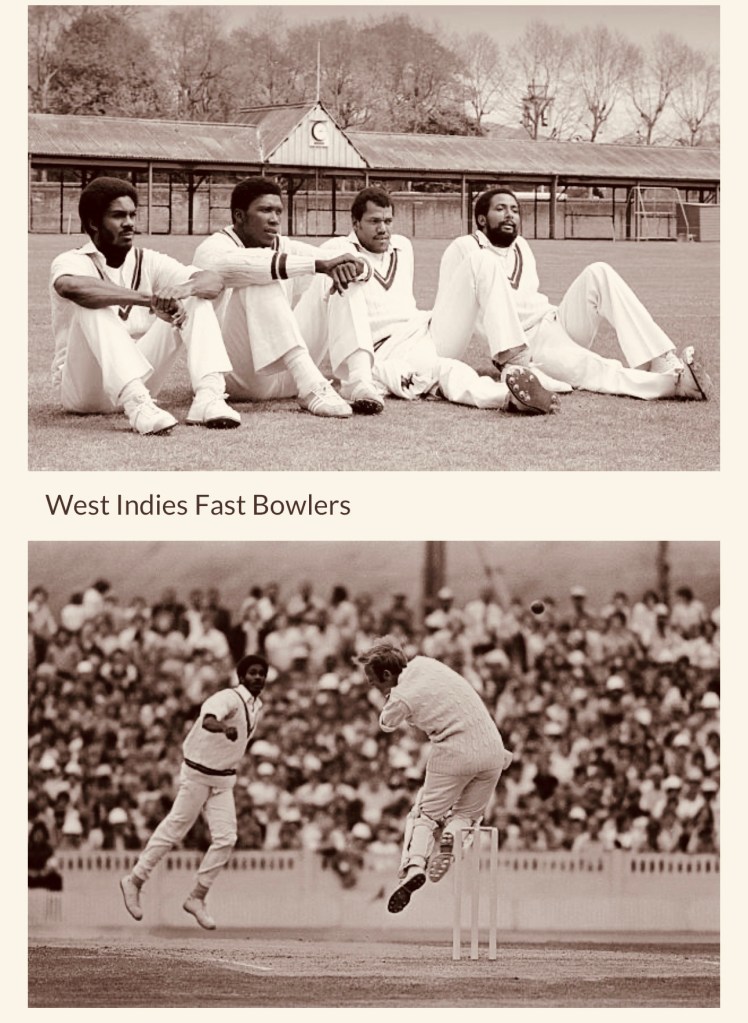
Before speed guns or T20s, Caribbean fast bowlers rewrote cricket’s DNA. Imagine facing Wes Hall’s rhythmic 6’5″ frame thundering toward you in the 1960s, his coiled delivery capturing primal energy as he took 192 Test wickets. Or Charlie Griffith’s deceptive swing making batsmen dance on burning coals. Then came the hurricane: Roberts with his two-speed bouncers, Holding’s silk-and-thunder run-up earning the name “Whispering Death” (mid-stride menace, 1976), Croft’s slinging missiles from wide angles, and Garner’s 6’8″ frame making yorkers fall from the sky like artillery.
But none burned brighter than Malcolm Marshall. At 5’9″, he defied physics – his skidding bouncer fracturing Mike Gatting’s cheekbone with a sound “like a champagne cork.” His 376 wickets at 20.94 remain cricket’s Everest. Then Ambrose’s glacial stare and 7/1 demolition of Australia, Walsh’s metronomic menace claiming 519 scalps, Patterson’s human-hurricane pace that felt “like staring down a gun barrel.” These weren’t bowlers ,they were elemental forces. Batters developed evasive techniques just to survive; umpires rewrote bouncer rules to contain them. For 15 straight years, no team beat them in a Test series.
That’s why I ache for the “seam feast” we lost. Since Akram’s reverse-swing sorcery, Donald’s explosive rage, and Steyn’s controlled fury left the stage, cricket’s soul feels lighter. We’ve traded gladiatorial combat for data-driven match-ups. Bumrah stands alone , India’s non-Bumrah bowlers averaged 34.82 in Australia last tour – while the Windies attacked in relentless waves. No algorithms, no mercy. Just Roberts setting traps with slower bouncers, Marshall hiding swing behind a snarl, Ambrose stalking back to his mark with icy certainty.
Yet in Bumrah’s silence, I see Marshall’s focus. In his yorkers, I feel Garner’s height. In his strike rate, I taste Ambrose’s precision. He isn’t like the West Indian greats – he’s their spiritual heir. When he angles one through Khawaja’s gate or shatters Pope’s stumps, I’m watching Croft’s sling, Holding’s flow, and Roberts’ cunning reborn. The thunder never faded; it just found a new sky. As David Lloyd sighed after facing those Caribbean legends: “That golden age is gone… but the fear they planted? That’s forever in the game’s bloodstream.”
The Fearsome Foursome united, 1979 remains cricket’s most terrifying portrait – a brotherhood that didn’t just take wickets, they reshaped imagination. So when you see Bumrah today, remember: you’re not watching one man. You’re seeing the ghosts of Hall, Marshall, and Holding, all converging in one devastating, unbroken chain of lightning.
Image Credits: Getty Images (Windies legends), Mirror UK (Marshall), ESPNcricinfo (Bumrah).
• • •

