From Foursome Fearsome to Bumarah
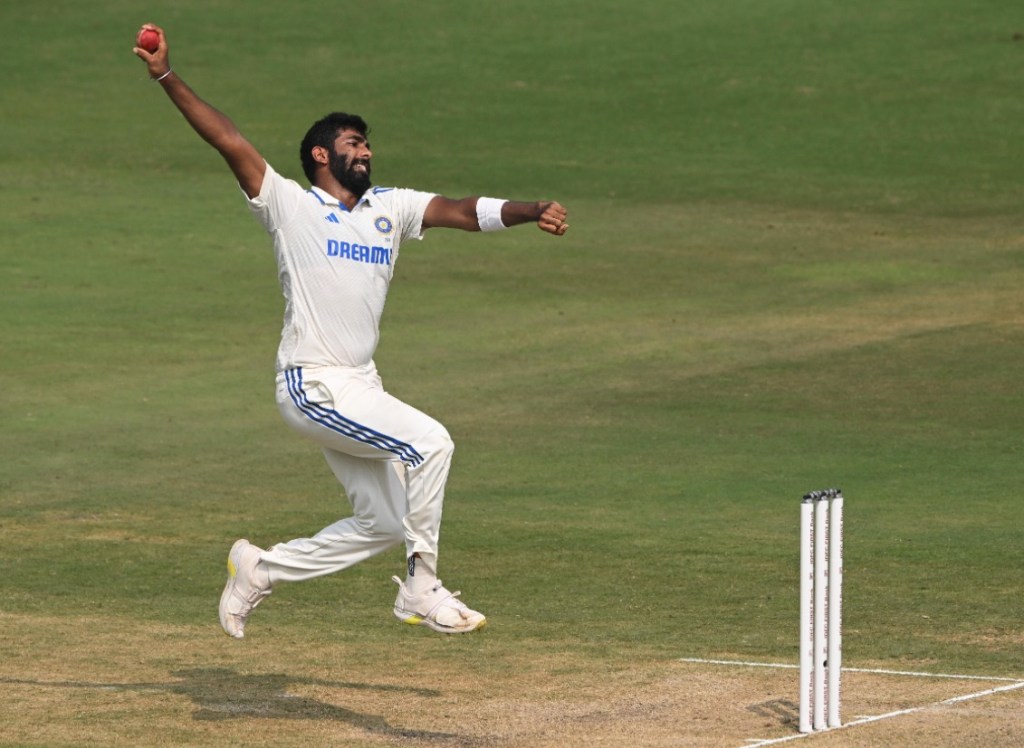
Watching Jasprit Bumrah charge in today feels like witnessing lightning strike twice. That unorthodox run-up, the whiplash release, those toe-crushing yorkers at 95mph – he’s cricket’s modern tempest. His 2024 Border-Gavaskar heroics (32 wickets at 13.06) left batters psychologically shattered. Adam Gilchrist, who faced legends, claims Bumrah “operates on a different planet” with a Test average (19.52) lower than Marshall, Ambrose, or Garner. Yet every time I see him dismantle a batting order, my mind drifts to an era when entire teams faced this fury daily – when the West Indies didn’t have a Bumrah, they had an army of them.
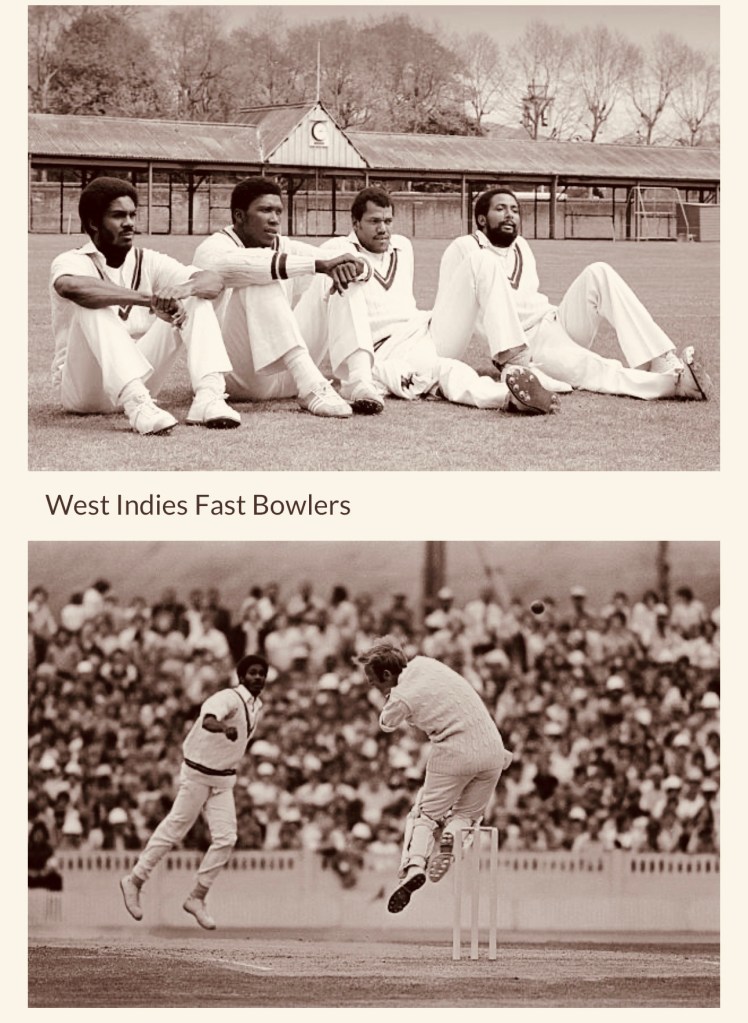
Before speed guns or T20s, Caribbean fast bowlers rewrote cricket’s DNA. Imagine facing Wes Hall’s rhythmic 6’5″ frame thundering toward you in the 1960s, his coiled delivery capturing primal energy as he took 192 Test wickets. Or Charlie Griffith’s deceptive swing making batsmen dance on burning coals. Then came the hurricane: Roberts with his two-speed bouncers, Holding’s silk-and-thunder run-up earning the name “Whispering Death” (mid-stride menace, 1976), Croft’s slinging missiles from wide angles, and Garner’s 6’8″ frame making yorkers fall from the sky like artillery.
But none burned brighter than Malcolm Marshall. At 5’9″, he defied physics – his skidding bouncer fracturing Mike Gatting’s cheekbone with a sound “like a champagne cork.” His 376 wickets at 20.94 remain cricket’s Everest. Then Ambrose’s glacial stare and 7/1 demolition of Australia, Walsh’s metronomic menace claiming 519 scalps, Patterson’s human-hurricane pace that felt “like staring down a gun barrel.” These weren’t bowlers – they were elemental forces. Batters developed evasive techniques just to survive; umpires rewrote bouncer rules to contain them. For 15 straight years, no team beat them in a Test series.
That’s why I ache for the “seam feast” we lost. Since Akram’s reverse-swing sorcery, Donald’s explosive rage, and Steyn’s controlled fury left the stage, cricket’s soul feels lighter. We’ve traded gladiatorial combat for data-driven match-ups. Bumrah stands alone – India’s non-Bumrah bowlers averaged 34.82 in Australia last tour – while the Windies attacked in relentless waves. No algorithms, no mercy. Just Roberts setting traps with slower bouncers, Marshall hiding swing behind a snarl, Ambrose stalking back to his mark with icy certainty.
Yet in Bumrah’s silence, I see Marshall’s focus. In his yorkers, I feel Garner’s height. In his strike rate, I taste Ambrose’s precision. He isn’t like the West Indian greats – he’s their spiritual heir. When he angles one through Khawaja’s gate or shatters Pope’s stumps, I’m watching Croft’s sling, Holding’s flow, and Roberts’ cunning reborn. The thunder never faded; it just found a new sky. As David Lloyd sighed after facing those Caribbean legends: “That golden age is gone… but the fear they planted? That’s forever in the game’s bloodstream.”
The Fearsome Foursome united, 1979 remains cricket’s most terrifying portrait – a brotherhood that didn’t just take wickets, they reshaped imagination. So when you see Bumrah today, remember: you’re not watching one man. You’re seeing the ghosts of Hall, Marshall, and Holding, all converging in one devastating, unbroken chain of lightning.
Image Credits: Getty Images (Windies legends), Mirror UK (Marshall), ESPNcricinfo (Bumrah).
 V B John