Eden’s Ecstasy and Johannesburg’s Agony
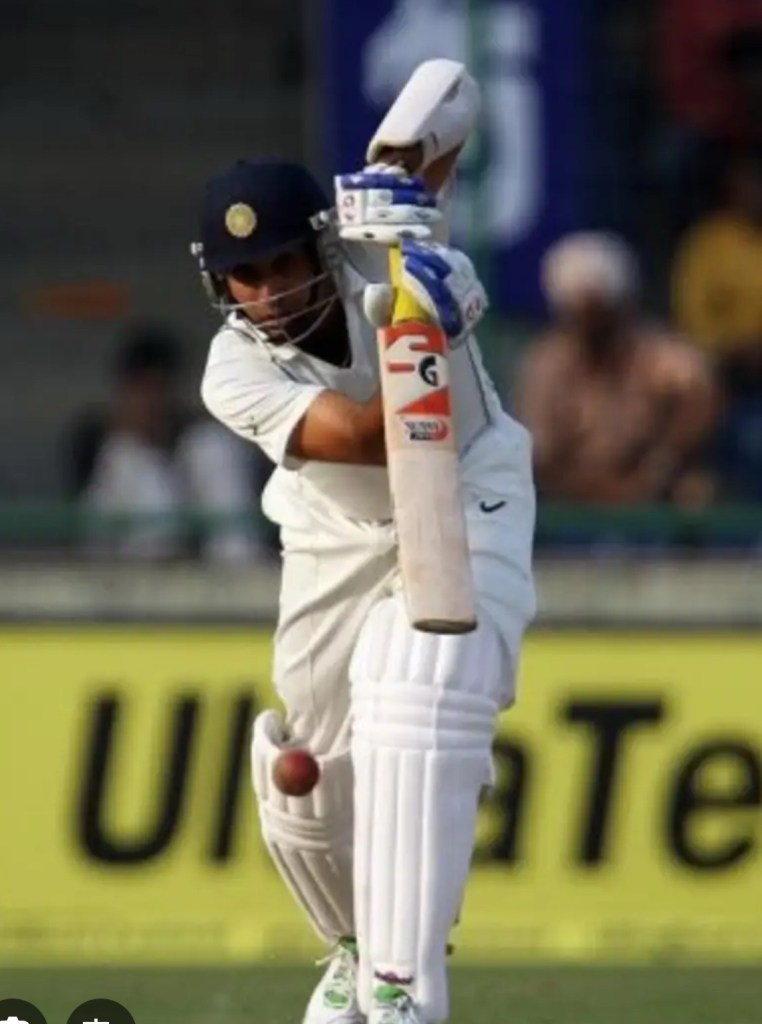
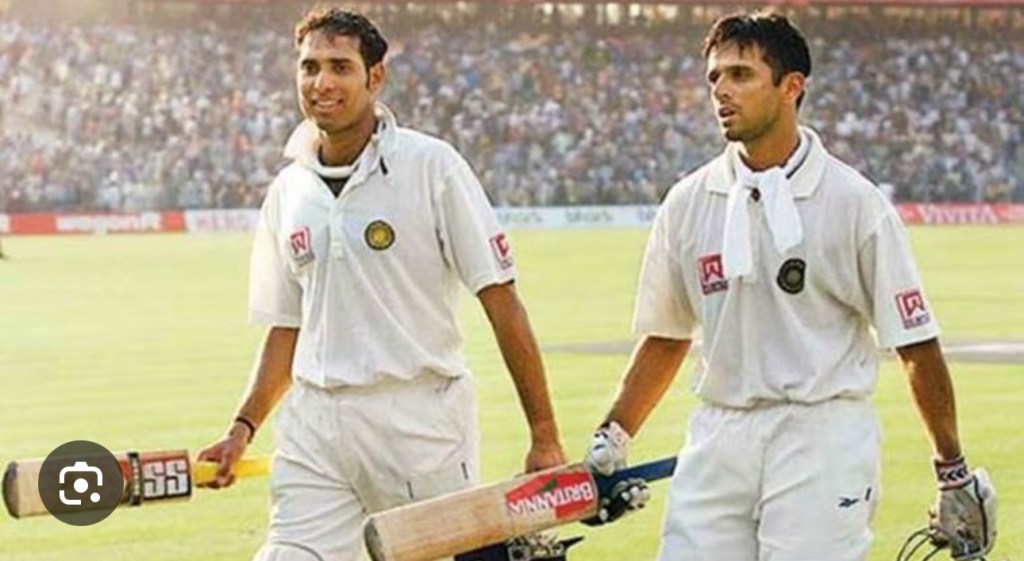
The air at Eden Gardens hung thick with despair that March week in 2001. Australia, that relentless cricketing juggernaut riding a record 15-Test winning streak, had already crushed India in Mumbai and now stood poised to deliver the final blow in Kolkata. Steve Waugh’s declaration at 445 felt like a tombstone, and India’s meek reply of 171 all out seemed to confirm the inevitable. When Waugh enforced the follow-on, history itself pressed down upon us – only twice before had any team won from such depths. What followed wasn’t just a cricket match; it was alchemy. Promoted to No. 3 despite a sciatic nerve injury so severe he needed overnight physio, VVS Laxman began weaving magic on Day 3. By stumps, his defiant 109* offered only a flicker of hope against the Australian tide. Then came Day 4 – an immortal passage where time seemed suspended. Laxman, wrists carving boundaries through gaps only he could see, and Rahul Dravid, the immovable monk, batted for over 100 overs without parting. Their 376-run stand wasn’t mere runs; it was psychological warfare waged with willow. Laxman’s monumental 281 and Dravid’s stoic 180 left them on saline drips but transcendent. Setting Australia 384, Harbhajan Singh and Sachin Tendulkar then tore through the shell-shocked visitors on Day 5, triggering a collapse from 166/3 to 212 all out. That 171-run victory, ending Australia’s streak, was more than a win; it was the defiant roar of a sleeping giant awakening, a miracle forged by Laxman’s artistry and sheer will against inevitability. My heart still races recalling the delirium.
Two years later, that elation curdled into profound sorrow in Johannesburg. As Sachin Tendulkar slashed Glenn McGrath to point early in the World Cup final chase of 359, a cold dread settled over me. The subsequent collapse to 147/5 felt tragically inevitable, not just because of Ricky Ponting’s brutal assault, but because of a gaping, self-inflicted wound in the Indian lineup. VVS Laxman, the very architect of Eden Gardens, the man whose wrists had danced India to its greatest Test triumph, sat watching from Hyderabad. The selection catastrophe still stings. Laxman had been India’s highest run-scorer in the ODI series against New Zealand just before the World Cup. Yet, the team management, led by Sourav Ganguly and coach John Wright, chose the bits-and-pieces all-rounder Dinesh Mongia over him. Shockingly, all five selectors had backed Laxman. Ganguly overruled them, citing the need for an “all-rounder.” Mongia managed a paltry 12 runs in the entire tournament. Laxman was shattered. He fled to the US, avoiding cricket for months, confessing he almost gave up the game. He wouldn’t speak to Ganguly for three months – a silence echoing the betrayal felt by millions. Watching Virender Sehwag blaze a defiant 82, I ached for what could have been. Imagine Laxman’s sublime grace partnering Sehwag’s fury: the perfect blend of elegant anchoring and boundary-blasting disruption against McGrath and Gillespie. Instead, Mongia scratched out 12, and India folded for 234, losing by a soul-crushing 125 runs. The tragedy wasn’t just losing the final; it was the avoidable exile of our most luminous big-match talent. Eden taught us miracles happen when belief meets genius. Johannesburg taught us that ignoring that genius invites a sorrow that lingers, a haunting symphony of what-ifs forever played on the heartstrings of memory.
 V B John
Leave a comment